
+880 1717 978 581

Thander Risk Assessment

Thander

Thander Risk Assessment

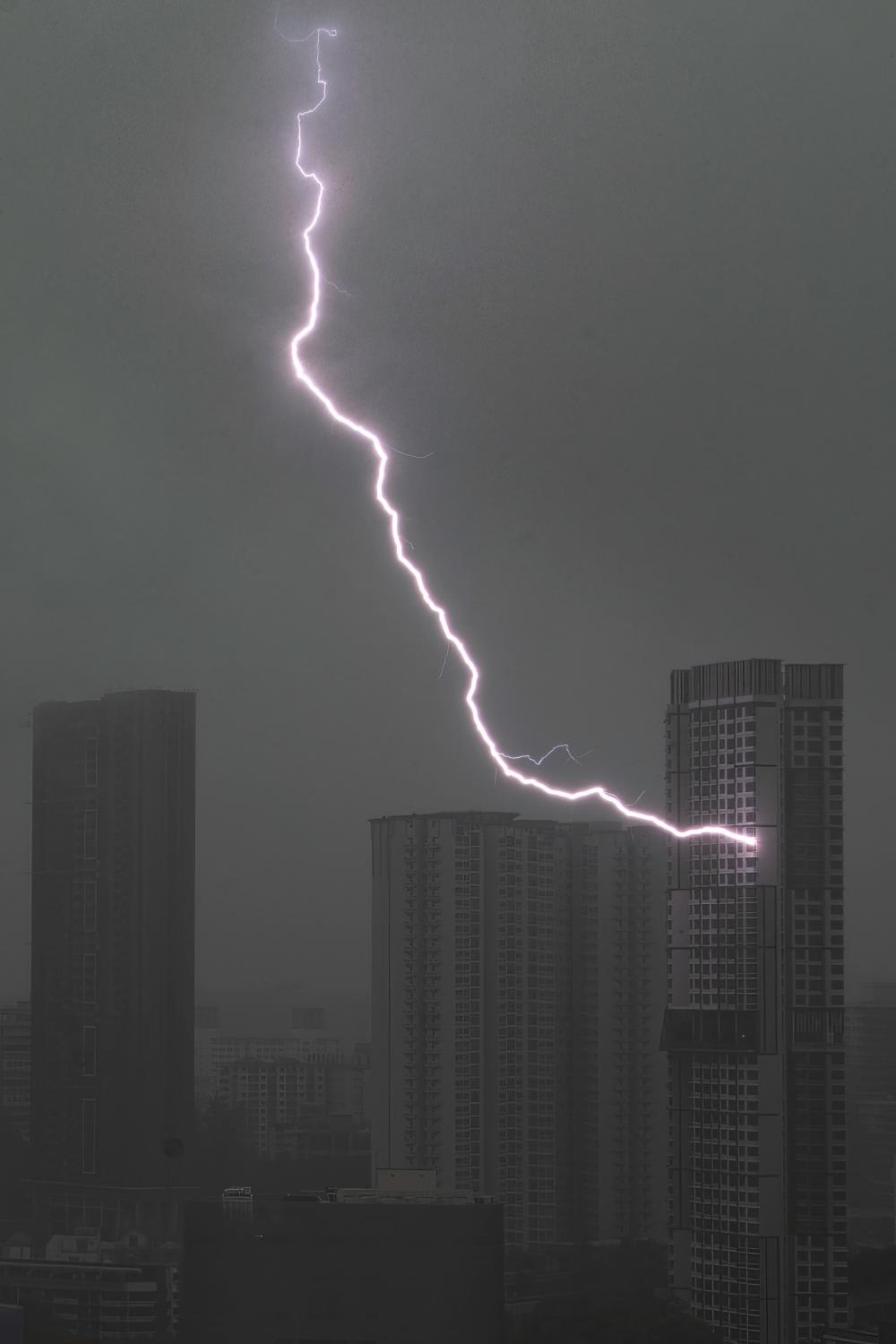
Lightning Risk Assessment is a service that helps individuals, organizations, and facilities evaluate the potential risks associated with lightning strikes and implement measures to mitigate those risks. Lightning can pose significant dangers to people, buildings, and critical infrastructure, making it essential to assess and manage these risks effectively.

Below are details regarding Lightning Risk Assessment services:

1. Site Inspection and Assessment:
Conduct on-site inspections to evaluate the vulnerability of structures and assets to lightning strikes.
Identify key risk factors, such as geographic location, lightning frequency, and local weather patterns.

2. Risk Analysis:
Quantify the potential risks associated with lightning strikes based on the site assessment.
Assess the consequences of lightning-related incidents, including damage to property, downtime, and potential injuries or fatalities.

3. Lightning Protection System (LPS) Evaluation:
Evaluate the effectiveness of existing lightning protection systems, if any, to ensure they meet industry standards and requirements.
Recommend improvements or upgrades to LPS components, such as lightning rods, conductors, and grounding systems.
4. Compliance with Standards and Codes:
Ensure that the lightning protection measures comply with relevant standards and codes, such as NFPA 780 (National Fire Protection Association) and IEC 62305 (International Electrotechnical Commission).
Verify that the installation and maintenance of lightning protection systems meet local regulations.

5. Risk Mitigation Strategies:
Develop customized lightning risk mitigation strategies based on the assessment findings.
Recommend lightning protection measures, including surge protection devices, grounding solutions, and structural modifications.

6. Safety Measures:
Advise on safety measures to protect individuals during thunderstorms, including protocols for outdoor activities and sports events.
Provide guidance on lightning safety for employees and the public.

7. Emergency Response Planning:
Develop emergency response plans in the event of lightning-related incidents, including evacuation procedures and first aid measures.

8. Training and Education:
Offer training programs and workshops to educate facility personnel and stakeholders about lightning risks and safety measures.
Provide lightning awareness and safety training for specific industries or organizations.

9. Ongoing Monitoring and Maintenance:
Recommend ongoing monitoring and maintenance of lightning protection systems to ensure continued effectiveness.
Perform periodic inspections and testing to verify the functionality of lightning protection equipment.

10. Documentation and Reporting:
Create comprehensive reports summarizing the lightning risk assessment findings, recommendations, and action plans.
Maintain detailed records of lightning protection system installations and maintenance activities.

11. Emergency Notification Systems::
mplement or recommend lightning detection and notification systems to alert personnel of impending lightning storms.
Integrate such systems with existing safety protocols.

Lightning Risk Assessment services are typically provided by specialized lightning protection consultants or engineering firms with expertise in electrical engineering, meteorology, and safety regulations. The goal is to minimize the risk of lightning-related damage and ensure the safety of people and assets in areas prone to lightning activity.

get in touch

Contacts
Thank you!. Your message is successfully sent...
We're sorry, but something went wrong